

Cart
0
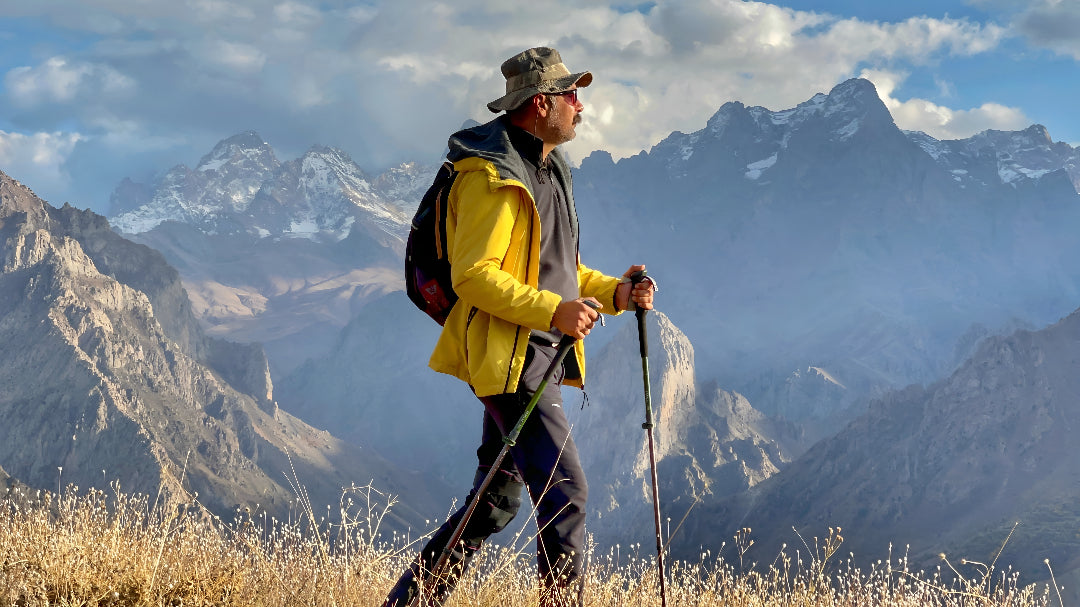
Hiking poles can provide valuable support on uneven trails, steep climbs, and descents. They help distribute some effort across the upper body while offering additional contact points with the ground. Properly adjusted poles can improve balance and confidence when navigating rocks, roots, mud, or loose surfaces. For many hikers, they also create a steadier rhythm during longer outdoor journeys outdoors.
Pole length should generally allow comfortable arm positioning without forcing the shoulders upward. Adjust the height according to terrain when appropriate, making them slightly shorter for climbs and longer for descents. Use wrist straps correctly and maintain a relaxed grip. Learning techniques before a challenging hike can help you use poles naturally while reducing unnecessary movement and improving overall control.
Inspect hiking poles regularly for damaged sections, worn tips, loose connections, or compromised grips. Clean dirt from adjustable mechanisms and store poles safely after each adventure. Lightweight designs are useful for travelers who prioritize packability, while stronger models can suit rugged terrain. With suitable adjustments and routine care, hiking poles can become practical companions for everyday walks and demanding trails.
